The Real Cost of Hiring a Property Manager vs DIY Landlording
Most rental owners start out thinking DIY is the cheaper route. No management fee, no monthly invoice, no “extra expense.” But the longer you own rentals, the clearer it gets: the real cost isn’t just what you pay, it’s what you lose in time, vacancy, mistakes, and preventable repairs.
This post breaks down the true cost comparison between self-managing and hiring a professional team, so you can decide based on real-world outcomes, not assumptions.
Why DIY Seems Cheaper (At First)
DIY management feels “free” because the costs are invisible. You don’t write a cheque to yourself every time you:
answer a tenant message during dinner
spend a Saturday doing showings
call three plumbers trying to find someone available
drive across town to check a “small leak”
But those actions have a real price. DIY costs usually show up in three buckets:
Time drain
Income loss
Risk exposure
And those add up quickly, especially if you own more than one property or you’re busy running a business.
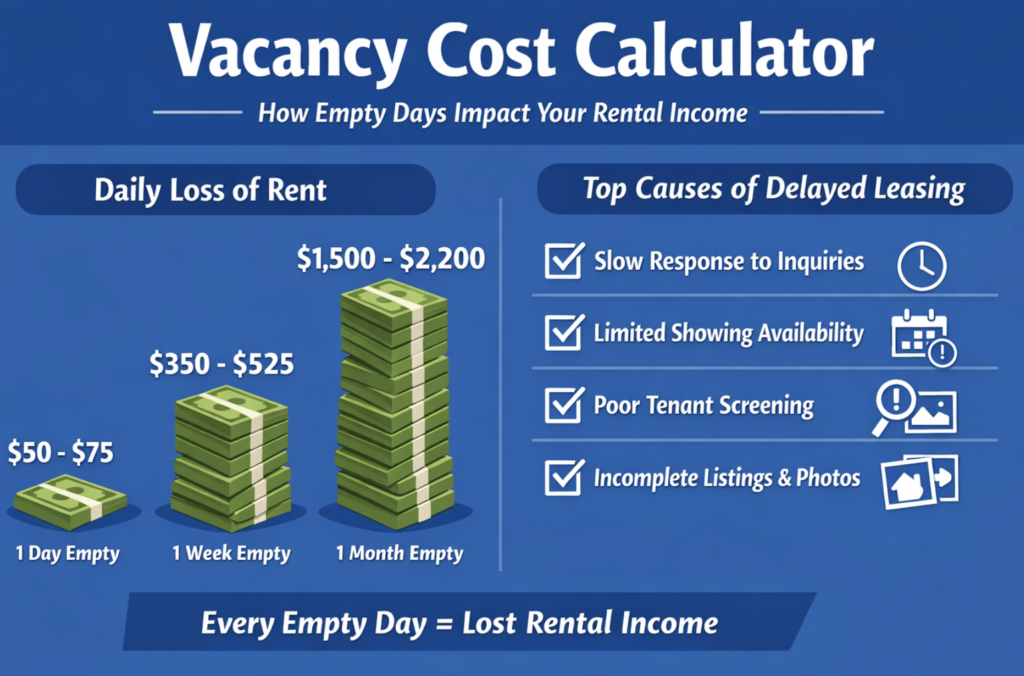
The Cost Most Owners Miss: Vacancy and Turnover
Vacancy is one of the fastest ways to erase “savings” from self-management.
DIY landlording commonly leads to:
slower response time to inquiries
fewer showings booked per week
longer approval cycles (waiting for references, calling employers, etc.)
delayed listing momentum (posting late, weak photos, unclear descriptions)
A professional management team typically has a repeatable leasing process that keeps the timeline tight: marketing, inquiries, showings, applications, screening, move-in coordination, handled consistently.
Even if DIY saves money month to month, one vacancy stretch can cost more than people expect.
Owner takeaway: You don’t need a disaster for DIY to become expensive—you just need the unit to sit empty longer than planned.
Repairs: DIY Isn’t Just Paying the Bill, It’s Managing the Problem
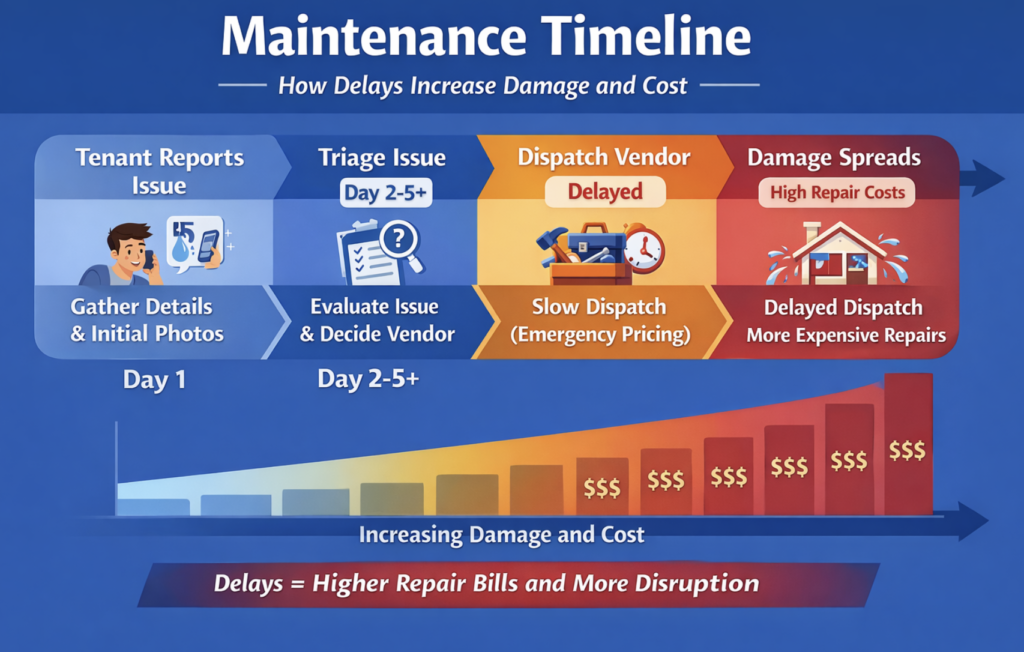
Repairs cost money either way, but DIY repairs often cost more because of timing and coordination.
DIY costs often include:
rushing to find a vendor last-minute
paying higher rates for urgent scheduling
letting small issues grow because you’re busy
repeating repairs due to inconsistent workmanship
A management team usually reduces repair costs through systems:
vendor network already in place
faster response and dispatch
work is tracked, followed up, and quality-checked
fewer repeat issues because repairs are managed properly
This isn’t about “cheap repairs.” It’s about controlled repairs, which protects the property long-term.
Late Rent and Arrears: The Hidden Stress Tax
DIY owners often underestimate how much time and emotional energy rent collection can take.
Common DIY patterns:
“just this once” flexibility that becomes expectation
awkward conversations that damage the relationship
inconsistent enforcement
time spent tracking partial payments and promises
Professional systems tend to reduce late payment patterns because the process is consistent and documented. Tenants learn quickly that rent is handled professionally, no guessing, no chasing, no emotional back-and-forth.
Owner takeaway: The real cost isn’t just late rent, it’s the hours spent managing it.
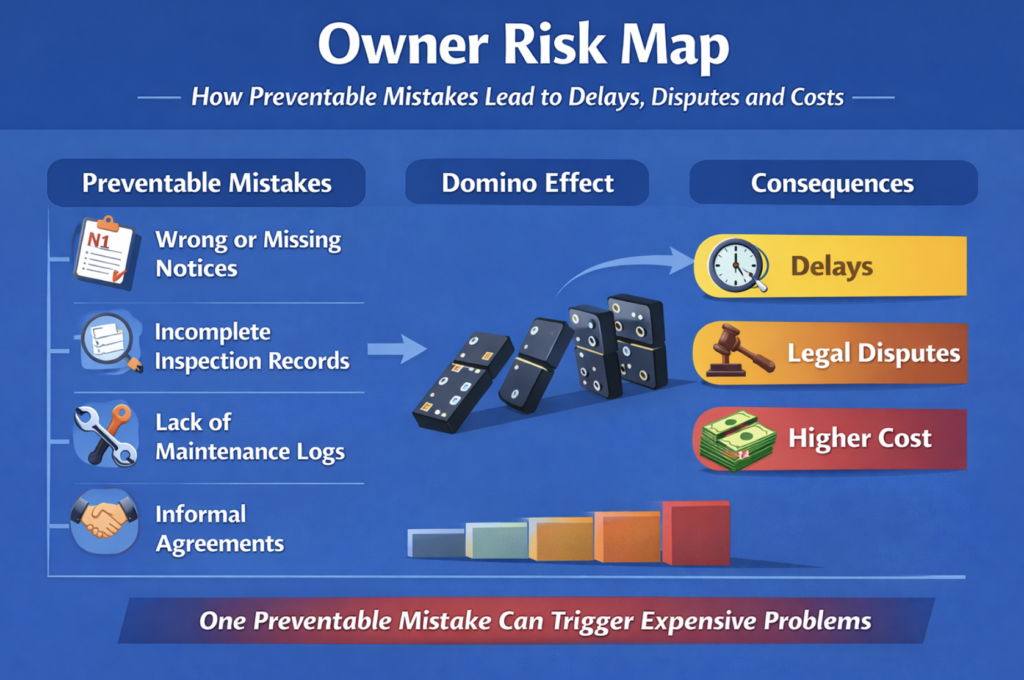
Paperwork and Process: Where DIY Gets Risky Without Feeling Risky
This isn’t about worst-case scenarios. It’s about day-to-day protection.
DIY risks often come from:
inconsistent documentation
unclear communication
missing inspection notes
informal agreements that create confusion later
A strong management process keeps everything organized and repeatable. That matters because rentals run smoother when issues are tracked, documented, and handled the same way every time.
Your Time Has a Dollar Value, Even If You Don’t Invoice It
Here’s the honest question: what is your time worth?
DIY management often means:
after-hours calls and texts
interruptions during work
weekends spent on leasing or repairs
constant context switching
Even if you’re capable of self-managing, the opportunity cost can be huge. If those hours could be spent growing your income, buying another property, improving the unit, or simply having uninterrupted weeks, DIY isn’t “free.”
So… Which Is Actually Cheaper?
DIY can be the right move if:
you live close to the property
you have reliable vendors already
you have time and systems
you’re comfortable being the point person for everything
Hiring a property manager is often the smarter financial choice when:
you want faster leasing and fewer vacancy gaps
you want repairs handled quickly and properly
you value consistent documentation and process
you want your rental to feel like an investment, not a second job
Some owners choose DIY to “save money,” but after doing the math, they realize they’re paying in other ways.
(And yes! when owners compare property management companies Windsor investors commonly consider, the decision usually comes down to time, consistency, and protecting ROI, not just the monthly line item.)
Get a Clear Cost Comparison for Your Rental
If you’re debating whether to keep self-managing or hand it off, Richmond Property Management can help you compare your current setup with a professional system, so you can see what you’re truly spending in time, vacancy, and stress.
If you want your rental to perform better with less day-to-day involvement, reach out to Richmond PM and get a clear plan for next steps.