
Late Rent in Ontario: A Decision-Tree Playbook for Rental Property Owners
Late rent can turn a rental property from “passive” into daily stress fast. Not because one late payment automatically means a worst-case scenario, but because many owners don’t have a consistent process. When decisions are made emotionally or inconsistently, late rent tends to repeat, and cash flow becomes unpredictable.
This guide is a practical decision-tree for late rent in Ontario. It’s built for owners who want to protect cash flow, keep tenant relationships professional, and reduce repeat issues using a simple, repeatable workflow.
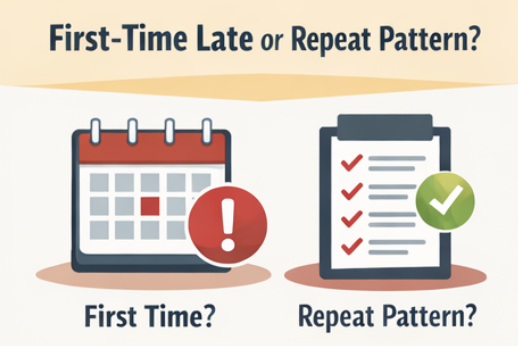
Decision Point 1: Is This a First-Time Slip or a Pattern?
Your next step depends on what you’re dealing with.
If late rent in Ontario happens once and the tenant has a strong track record, it may be a missed reminder or a timing issue.
If late rent in Ontario is happening repeatedly, that’s a pattern, and patterns require structure, not flexibility.
This isn’t about judging a tenant. It’s about choosing the right process so you stay consistent across every unit you own.
Next Step: Document These Three Things Immediately
The due date and outstanding amount (keep it factual)
Any history of lateness (even if they “caught up later”)
All communication (texts, emails, screenshots, notes)
Documentation is what keeps you calm and consistent. It also prevents “he said / she said” confusion later.
Decision Point 2: Are They Communicating Clearly or Avoiding You?
Once you know whether it’s first-time or a pattern, the next decision is communication.
Clear communication looks like:
a specific payment date
a specific amount
a simple explanation that doesn’t keep changing
Avoidance looks like:
vague promises (“soon,” “tomorrow,” “next week”)
emotional messages without a plan
silence or constant shifting stories
When late rent in Ontario meets unclear communication, owners often fall into the “daily texting trap”, lots of messages, no progress, and nothing you can rely on later.
Next Step: Send a Message That Forces Clarity
Use something neutral and professional:
“Hi [Name], rent is still outstanding. Please confirm the exact date you will pay and the total amount you will send. Once confirmed, I’ll note it on the account.”
It’s calm, it’s clear, and it turns vague promises into a real answer you can document.

Decision Point 3: Are They Offering Partial Payment With a Written Plan?
Partial payments can help, if they’re part of a written plan. Without structure, partial payments often create a new problem: tenants feel “caught up enough,” and owners lose visibility and control over what happens next.
When late rent in Ontario leads to a partial payment offer, you’re choosing between:
Structured: partial payment + a written plan with dates and amounts
Unstructured: “I’ll send some now and the rest when I can”
Structured wins every time because it removes ambiguity.
Next Step: Use a Simple Written Payment Plan
Keep it short and clear:
Amount being paid now
Remaining balance
Exact date the remaining balance will be paid
Confirmation that regular rent is still due on the next rent day
You’re not writing a novel, you’re creating clarity. Clarity protects cash flow.

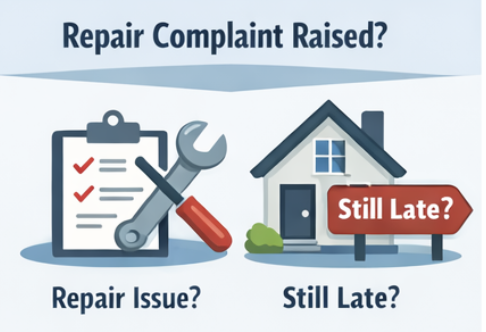
Decision Point 4: Did a Maintenance Complaint Show Up at the Same Time?
Sometimes tenants raise a repair issue right when rent is late. That doesn’t automatically mean bad intentions, sometimes the timing is messy. But you do need to keep two things true at once:
Maintenance matters and should be handled professionally.
Late rent in Ontario still requires a payment plan and written communication.
The mistake owners make here is letting the conversation turn into a single argument. A better approach is separating the issues while moving both forward.
Next Step: Respond in Writing Without Escalating
A clean response sounds like:
“Thanks for letting me know about the repair. I’m arranging next steps for maintenance. Separately, rent is still outstanding, please confirm the payment date and amount today so we can update the account.”
This keeps the tone professional and keeps both topics from derailing into conflict.
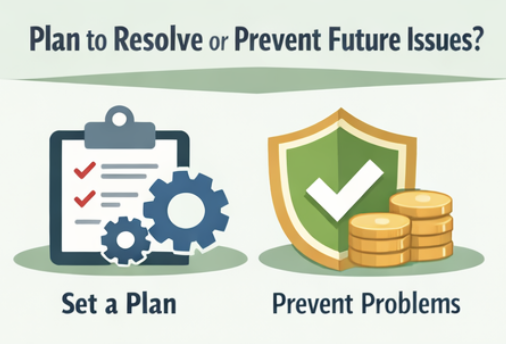
Decision Point 5: What’s the Best End Goal, and How Do You Prevent Repeat Issues?
If late rent in Ontario is happening more than you’d like, the long-term solution isn’t “hope it improves.” It’s systems.
Owners who protect cash flow treat rent collection like an operational process:
predictable reminders
consistent follow-up
clear documentation
fewer one-off exceptions
Late rent is often less about the tenant “being difficult” and more about the owner’s system being too flexible, too manual, or too inconsistent across units.
Next Step: Build These Safeguards Into Your Process
Automated rent reminders so you’re not personally chasing payments
Online payment options that reduce friction and delays
A consistent late-rent workflow (same steps, every time, every unit)
Stronger screening and move-in expectations so “on time” is clear from day one
Written communication habits so your rental runs like a business, not a debate
When you implement these safeguards, you reduce the number of late-rent situations—and when they do happen, you already know what to do.
Help for Windsor-Essex Owners Who Want a Hands-Off System
If you’re dealing with late rent in Ontario, the goal isn’t spending your week texting, negotiating, and guessing. The goal is a repeatable process that protects your cash flow and keeps your rental running smoothly.
Richmond Property Management helps Windsor and Essex County owners stay consistent with rent collection, tenant communication, and documentation, so you can own rentals without the day-to-day stress. If you want a professional system that reduces late rent and keeps your operations organized, reach out to Richmond PM to talk about your property.
Additional Resources: