Snow and Ice: Who Clears What in a Windsor Rental
The first real snowfall in Windsor always brings the same question to our inbox: who is supposed to clear this? The sidewalk, the driveway, the steps to the front door. Everyone has an answer, and half of them conflict. The short answer is that it depends on which patch of ground you are standing on. The sidewalk, the shared walkway, and your own front steps can each have a different answer, and knowing which is which saves owners a fine and residents a fall.
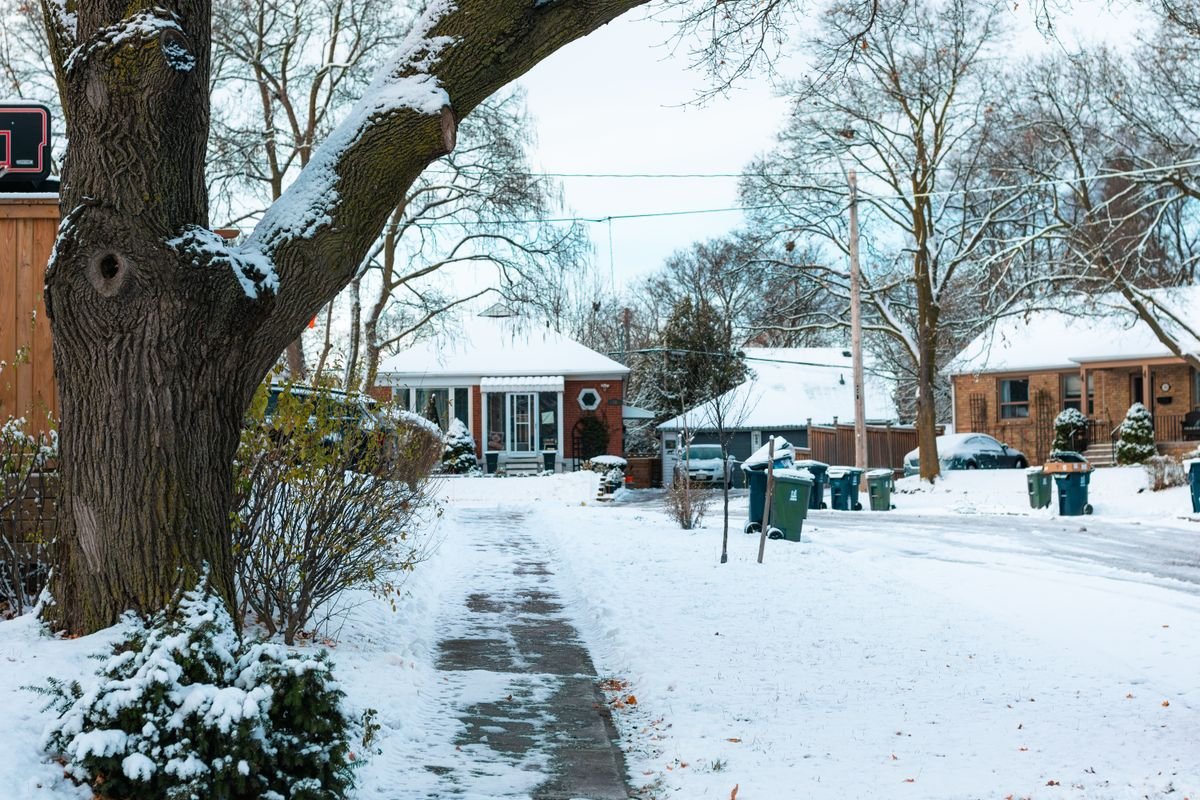
Start with the public sidewalk. In Windsor, By-law 8544 requires snow and ice to be cleared from the sidewalk in front of a property within 12 hours after the snowfall ends. Commercial properties get 4 hours. That duty falls on the owner or the occupant, and the City can clear an uncleared sidewalk and bill the cost back to the owner. Snow belongs on the lawn, not shovelled back onto the street, where it creates a hazard for drivers and another ridge for the plow. One more thing worth knowing: the plow can push snow back onto a sidewalk that was already cleared, so a sidewalk may need clearing more than once during a storm. The City plows residential streets once accumulation passes 10 centimetres, and only after the main routes are done, so the street and the sidewalk run on different clocks.
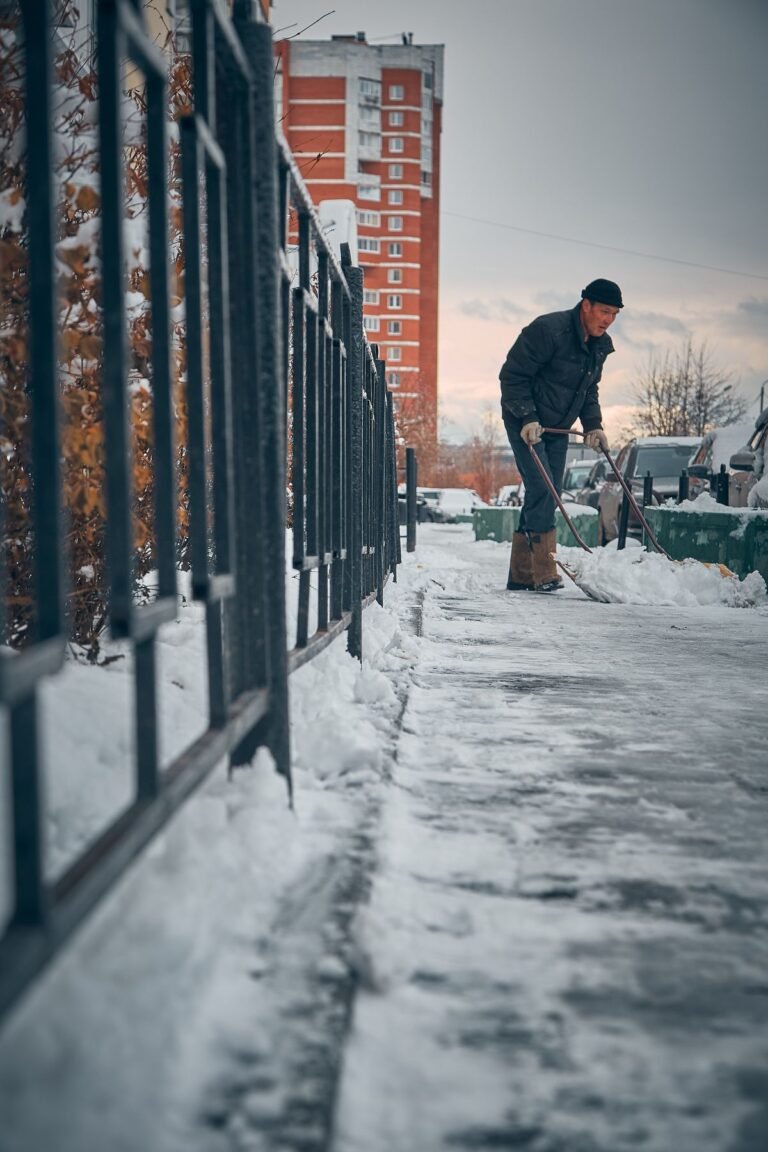
Next, the common areas of a rental property: the shared walkway, the parking lot, the entrance stairs, the path between buildings. Here the answer is clearer. Under section 20(1) of Ontario’s Residential Tenancies Act, a landlord must maintain the residential complex in a good state of repair and fit for habitation, and Ontario courts have consistently read snow and ice removal into that duty. In practical terms, the landlord is responsible for keeping common areas safe in winter. A line in the lease that says tenants shovel the shared walkway does not, on its own, move that duty. The leading case is Montgomery v. Van, a 2009 Ontario Court of Appeal decision, where a tenant slipped on an icy walkway even though her lease said tenants were responsible for clearing it. The court held the landlord liable. The duty cannot simply be signed away in a standard lease.
That does not mean a tenant can never be responsible for shovelling. It means the arrangement has to be a real one. A landlord can hire a tenant to clear snow the same way they would hire a contractor, under a separate agreement that sets out what gets cleared, when it gets cleared, and what the tenant is paid for the work. The other exception is an area only one tenant uses, such as a private entrance or a patio. In a single family house rented to one household, the driveway and front steps are for that household alone, and a clear lease term assigning those areas to the tenant is generally treated differently from a shared walkway. The line that matters is shared versus exclusive. Shared stays with the landlord. Exclusive can be assigned, in writing, with payment where the work is a service.
So what should each side actually do before the snow settles? For owners, the first step is to decide who clears what, in writing, before the first storm. If you use a contractor, confirm the trigger, how much snow starts a visit, and how fast they come after a snowfall, and keep the contact on file. If a tenant will clear an exclusive use area, put it in a separate written agreement with payment, not as one line buried in the lease. Walk the property once before winter and look for the spots that freeze first: a low step, a shaded walkway, a downspout that drips onto the path. Salt and sand should be on site before they are needed, not bought after the first ice.
For residents, the first step is to read the lease and know which areas are yours. Clear your own steps and the path to your door promptly, and salt ice as soon as it forms, rather than waiting for it to thicken. Keep the walkway clear of bins, bikes, and anything a shovel would have to work around. If a shared walkway or entrance is icy and nobody has cleared it, report it in writing the same day, with a photo and the time, so there is a record. And if you are away for a few days over the holidays, say so in advance, so the owner or property manager can arrange cover.
A few habits help everyone. Clear the full width of the sidewalk, not just a narrow track, so two people can pass and a stroller or a walker fits. Pile snow on the lawn, away from the walkway and the street. Do not block a fire hydrant or a catch basin. After a freeze and thaw cycle, check the steps again in the morning, because overnight ice is the fall that catches people who were fine the night before.
Winter in a rental works best when nobody has to guess. Owners should know their common areas are theirs, residents should know their own steps are theirs, and both sides should have it in writing before the snow arrives. If you are not sure what your lease says about your place, ask. A short question in November is cheaper than a fall, a fine, or a dispute in January.
This article is general information about Windsor and Ontario rules, not legal advice. For a specific situation, check the lease, the City of Windsor snow removal page, or speak with a lawyer.